
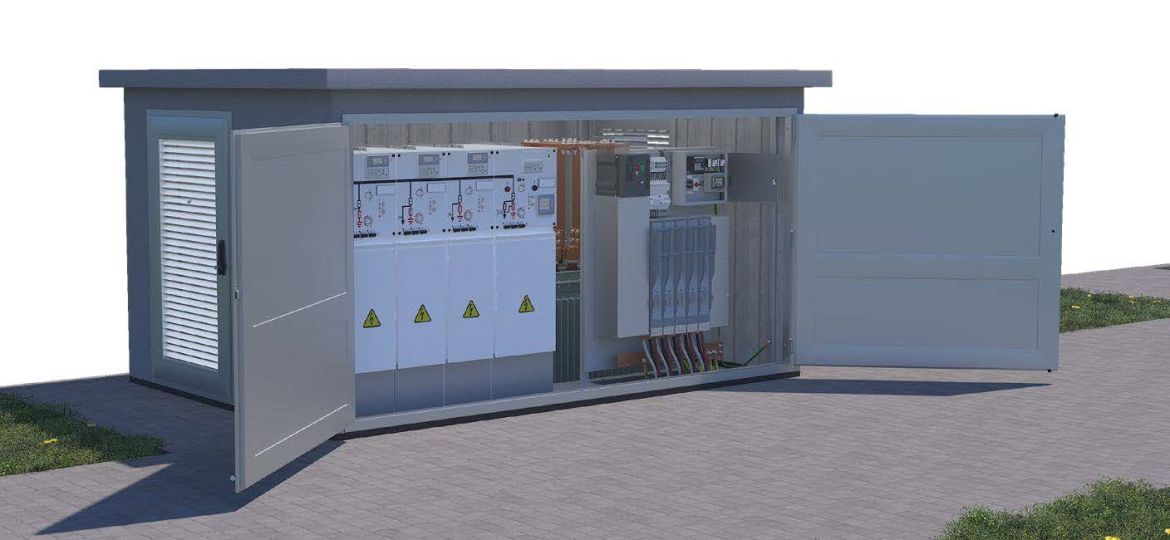
Auditing high voltage (HV) installations is important in ensuring the safety, reliability, and compliance of power distribution systems. Attention to detail is vital in demanding and mission critical environments, such as power generation, health care, manufacturing, mining and utilities. The primary goal of an audit is to evaluate and manage the risks associated with the plant operations, personnel safety and statutory compliance.
Purpose of High Voltage Audits
The core purpose of a high voltage audit is to reduce the risk associated with the operation of HV power equipment. By conducting a comprehensive design examination and physical inspection, HV audits ensure both new and existing installations are safe to operate and compliant with regulatory and industry standards.
New or Altered Installations
In Australia, HV auditing is mandated in the Electricity Act. According to the legislation, all new and altered HV installations must undergo an audit before they can be energized. The responsibility for ensuring compliance resets with the high voltage asset owners. While the regulations may vary from state to state, specifics slightly vary.
The HV audit for new or altered installations ensures that the design and construction meet the safety and compliance standards set forth in the relevant legislation. The audit process involves a detailed investigation of the installation’s design, equipment compliance, and operational procedures, ensuring that the system can be safely connected to the power grid.

Auditing Existing Installations
Auditing existing installations is equally important, especially in environments with high-risk operations and mission critical infrastructure. Reasons for auditing existing HV installations include.
1. Safety and Compliance
Many industries are obligated to conduct HV audits as part of their safety management program. This requirement is often enforced by industry inspectors, particularly in sectors such as mining and minerals.
2. Criticality of Installation
Public utilities are mission critical operations that rely on the continuous and safe operation of HV power equipment. Auditing these installations ensures that they remain operational while complying with national safety standards.
3. Reliability Issues
HV audits help identify reliability issues by examining fault records and downtime data. By addressing these issues, the audit helps improve the overall reliability of the installation.
4. Lifetime Expectations
As HV equipment ages, it may become obsolete or prone to failure. Auditing helps determine whether existing equipment can continue to operate safely or if it needs replacement.
Historical Context of HV Audits
Historically, new HV installations were inspected by representatives from the power supply entity before they were connected to the grid. However, changes in the power supply industry have led to the requirement for independent audits by external parties.

Requirements of an HV Audit
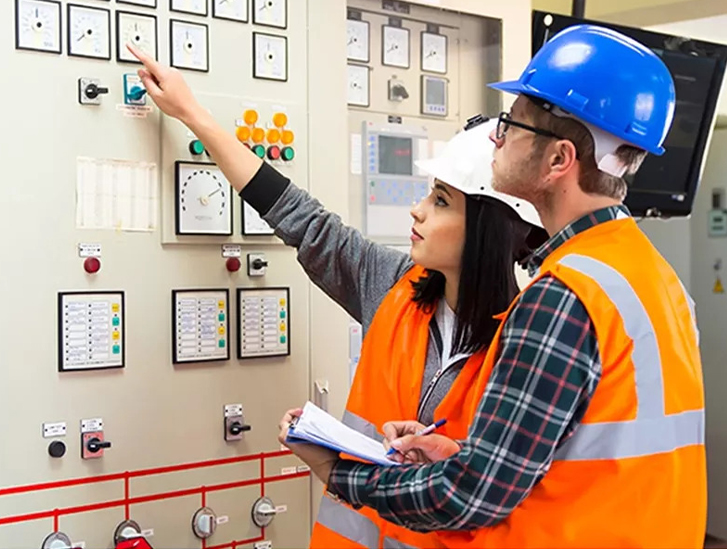
The primary requirements of a HV audit includes:
- Ensuring the installation meets the requirements of the Electricity Act, relevant regulations, and other legislation.
- Confirming that the installation can be safely connected to the power grid.
- Conducting an independent review to ensure that the audit is unbiased, with no prior involvement in the design or implementation of the installation.
Compliance Standards
The following standards form the foundation of a HV audit, guiding auditors in evaluating system safety, design, and operation of HV installations:
– AS/NZS3000: Wiring Rules
– AS2067: High Voltage Installations
– Coal Mining: Safety & Health Act and Regulations
– AS1768: Lightning Protection
– AS3007: Surface Mines
– AS/NZS7000: Overhead Line Design
The HV Audit Process
A successful HV audit involves the following critical steps:
1. System Studies
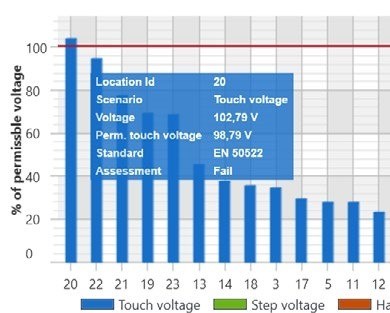
Assurance that essential studies and calculations have been performed, including fault level calculations, protection studies, earthing design, step and touch potential studies, and sign-off by a professional engineer.
2. Design Review
The design of the HV installation is carefully reviewed, ensuring proper equipment selection, power circuit design, earthing system, and protection and control measures, all of which require a professional engineer’s approval.
3. Equipment Compliance
Equipment used in the HV installation must comply with Australian Standards (AS) or equivalent international standards. This includes ensuring that the rated voltage, current, over-voltage limits, surge voltage withstand, short-circuit current rating, degree of enclosure, and arc fault containment are all in line with required specifications.
4. Equipment Testing
New or refurbished equipment must undergo rigorous factory and site acceptance testing, to ensure conformity to operational, quality and safety requirements specified at the tendering stage.
5. Installation Compliance
A site inspection is conducted to verify that the installation complies with safety standards. This includes examining structures, buildings, enclosures, equipment (such as switchgear, transformers, power factor correction units, generators, and motors), and installation components like power lines, cables, earthing, bonding, and lightning protection systems. Proper equipment identification and safety signage are also checked.
6. Installation Testing
Various tests are performed to ensure the installation is safe and operational. These include insulation resistance testing, high voltage testing. phasing/phase rotation, protection relay testing, earthing integrity, functional testing, auxiliary equipment checks, and operational testing..
7. Operational Procedures
Formal written procedures must be in place to guide normal operations, isolation, and access, including switching procedures, dissipation of stored charge, isolation and earthing, work permits, access permits, and test permits.
Types of Installations Audited
HV audits are conducted across a wide range of industries and facilities, including utilities and infrastructure (e.g., rail electrification, ports, water supply, coal seam gas), industrial operations (e.g., alumina and aluminum smelting, cement production, chemicals, explosives, magnesia, shale oil extraction, waste management, zinc smelting), mining (e.g., coal, gold, ilmenite, magnesite, salt, silica, wolfram), and commercial institutions (e.g., hospitals, shopping centers).
Ongoing Issues in HV Audits
Despite the rigorous audit process, several ongoing issues persist in the field of HV audits. These include incomplete work, interim acceptance of installations, replacement of existing equipment, and non-conforming installations outside the scope of the audit. Additionally, there is a lack of a dedicated forum for HV auditors to discuss and address these challenges, which can hinder the effectiveness of the auditing process.
Ensuring Safety and Compliance Through Rigorous HV Audits
Auditing high voltage installations is a complex but essential process to ensure the safety, reliability, and compliance of power systems. Whether dealing with new, altered, or existing installations, HV audits play a crucial role in safeguarding both people and infrastructure. By adhering to strict standards and conducting thorough inspections, HV auditors help mitigate risks and ensure that high voltage installations operate safely and efficiently.